When Should You See a Diabetologist?

When Should You See a Diabetologist?
Early consultation can prevent diabetes complications and help you achieve better long-term blood sugar control.
Many people in India wait too long before consulting a diabetologist. They often believe that blood sugar will improve with home remedies, dietary changes, or simply taking one tablet. However, diabetes frequently remains silent until complications begin. With diabetes and prediabetes affecting millions across India, knowing when to seek specialist care can help prevent nerve damage, kidney disease, vision loss, heart disease, and diabetic foot complications.
A diabetologist is a physician who specializes in diagnosing and managing diabetes. Their expertise includes blood sugar control, medication optimization, insulin management, continuous glucose monitoring, and preventing diabetes-related complications.
You do not need to wait until diabetes becomes severe before seeing a diabetologist. Early consultation often makes treatment simpler, safer, and more effective.
1. When Symptoms First Appear
Do not ignore the classic symptoms of diabetes. Early recognition allows treatment to begin before permanent complications develop.
Common Warning Signs
- Frequent urination
- Excessive thirst
- Increased hunger
- Unexplained weight loss
- Persistent tiredness
- Blurred vision
- Slow-healing wounds
- Repeated infections
- Tingling or numbness in the hands or feet
In many Indian households, these symptoms are often mistaken for heat, weakness, acidity, or simply aging. However, if you repeatedly wake at night to urinate, constantly feel thirsty, or lose weight without trying, you should undergo a blood sugar evaluation and consult a diabetologist promptly.
2. If Your Blood Sugar Remains High
Persistent high blood glucose despite following a healthy diet, exercising regularly, and taking medications indicates that your diabetes management plan may need adjustment.
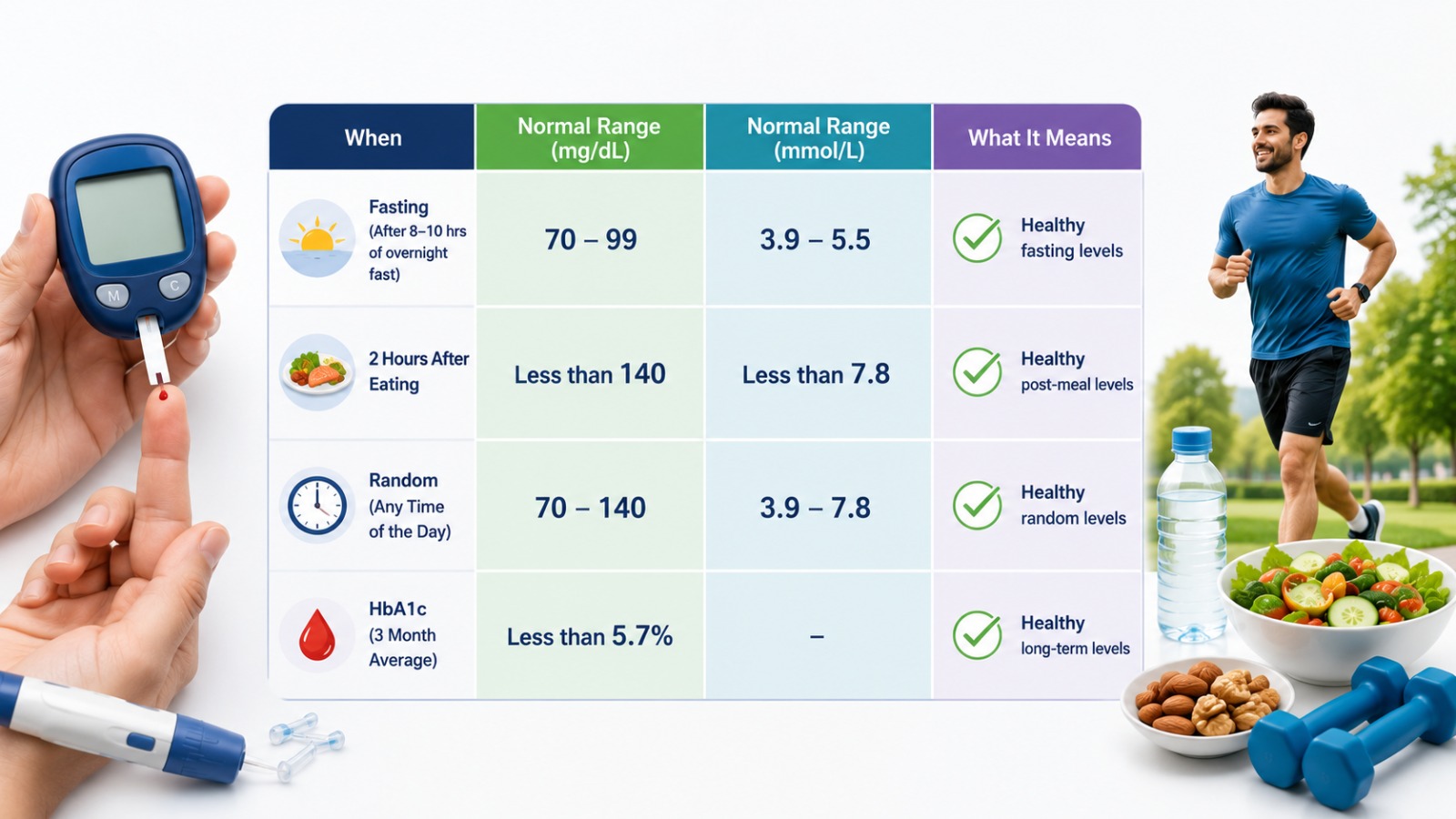
If your HbA1c remains elevated or your fasting and post-meal blood sugars continue to stay above target, a diabetologist can individualize treatment and optimize medications.
This is especially important in India, where carbohydrate-rich diets, fasting traditions, irregular work schedules, and sedentary lifestyles often make diabetes management more challenging.
3. If You Experience Low Blood Sugar Episodes
Not every diabetes problem results from high sugar levels. Repeated hypoglycemia requires immediate specialist evaluation.
Symptoms of Low Blood Sugar
- Dizziness
- Sweating
- Shaking
- Confusion
- Fainting episodes
These episodes commonly occur in people using insulin or certain diabetes medications. Frequent low sugar attacks may indicate that your treatment needs modification.
Severe hypoglycemia can be life-threatening, particularly in older adults, individuals living alone, and patients with cardiovascular disease.
4. If Diabetes Complications Are Beginning
Consult a diabetologist immediately if you notice early signs of diabetes-related complications.
Possible Warning Signs
- Numbness or burning sensation in the feet
- Reduced foot sensation
- Blurred or changing vision
- Leg swelling
- Abnormal kidney test results
- Repeated urinary infections
- Frequent fungal infections
- Foot wounds that do not heal
These symptoms may indicate that diabetes is already affecting vital organs. Early intervention can slow disease progression and reduce long-term disability.
5. During Pregnancy or While Planning Pregnancy
Women with diabetes, prediabetes, insulin resistance related to PCOS, or previous gestational diabetes should seek specialist care before conception or as early as possible during pregnancy.
Blood sugar targets during pregnancy are much stricter because uncontrolled diabetes increases risks for both mother and baby. A diabetologist works closely with an obstetrician to ensure safer pregnancy outcomes.
Women who previously developed gestational diabetes should continue long-term monitoring because they have a significantly increased risk of developing Type 2 Diabetes later in life.
6. If You Have Been Newly Diagnosed
The first few weeks after diagnosis are the ideal time to consult a diabetologist.
During this period, you will learn about:
- Your type of diabetes
- Target blood sugar levels
- Healthy eating strategies
- Blood sugar monitoring
- Medication or insulin requirements
- Preventing future complications
For Indian patients, diabetes management should be customized around vegetarian diets, traditional foods, festivals, travel, shift work, and family meal patterns. Individualized care makes long-term success far more achievable.
7. When Immediate Medical Care Is Required
Seek emergency medical attention immediately if high blood sugar is accompanied by:
- Persistent vomiting
- Rapid or deep breathing
- Severe weakness
- Confusion
- Severe dehydration
- Chest pain
- Sudden vision loss
- A foot wound with redness, swelling, or discharge
These symptoms may indicate a serious medical emergency that requires urgent treatment. Do not wait for your next clinic appointment.
Final Takeaway
Consult a diabetologist whenever diabetes symptoms appear, blood sugar remains uncontrolled, low blood sugar episodes become frequent, complications develop, pregnancy is planned or ongoing, or you have recently been diagnosed with diabetes. The earlier diabetes is managed, the easier it is to prevent lifelong complications and maintain better health.