Prediabetes: Symptoms, Causes, and How to Reverse It
Prediabetes: Symptoms, Causes & How to Reverse It
Prediabetes is an early warning sign—but with timely lifestyle changes, it can often be reversed before it progresses to Type 2 Diabetes.
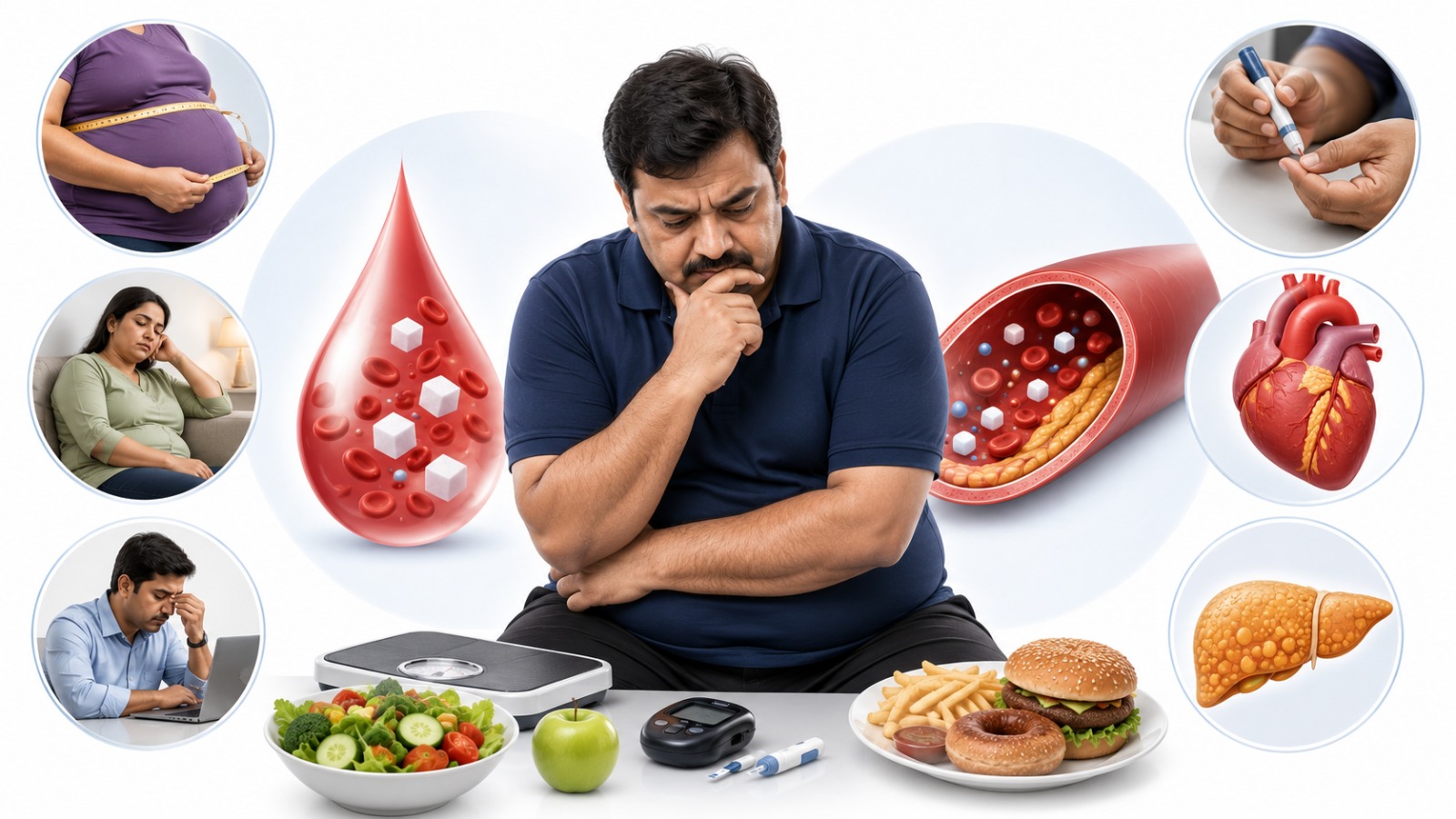
Prediabetes is a condition in which blood sugar levels are higher than normal but not yet high enough to be diagnosed as diabetes. Millions of people in India have prediabetes without realizing it because the condition usually develops silently. If left untreated, it can gradually progress to Type 2 Diabetes and significantly increase the risk of heart disease, kidney disease, nerve damage, and other health problems.
The encouraging news is that prediabetes is often reversible. Early diagnosis, healthy eating, regular exercise, weight management, better sleep, and stress reduction can restore blood sugar to a healthier range and greatly reduce the risk of developing diabetes.
Prediabetes is not diabetes—but it is a serious warning sign. Taking action during this stage offers the best opportunity to prevent or delay Type 2 Diabetes and protect your long-term health.
What Causes Prediabetes?
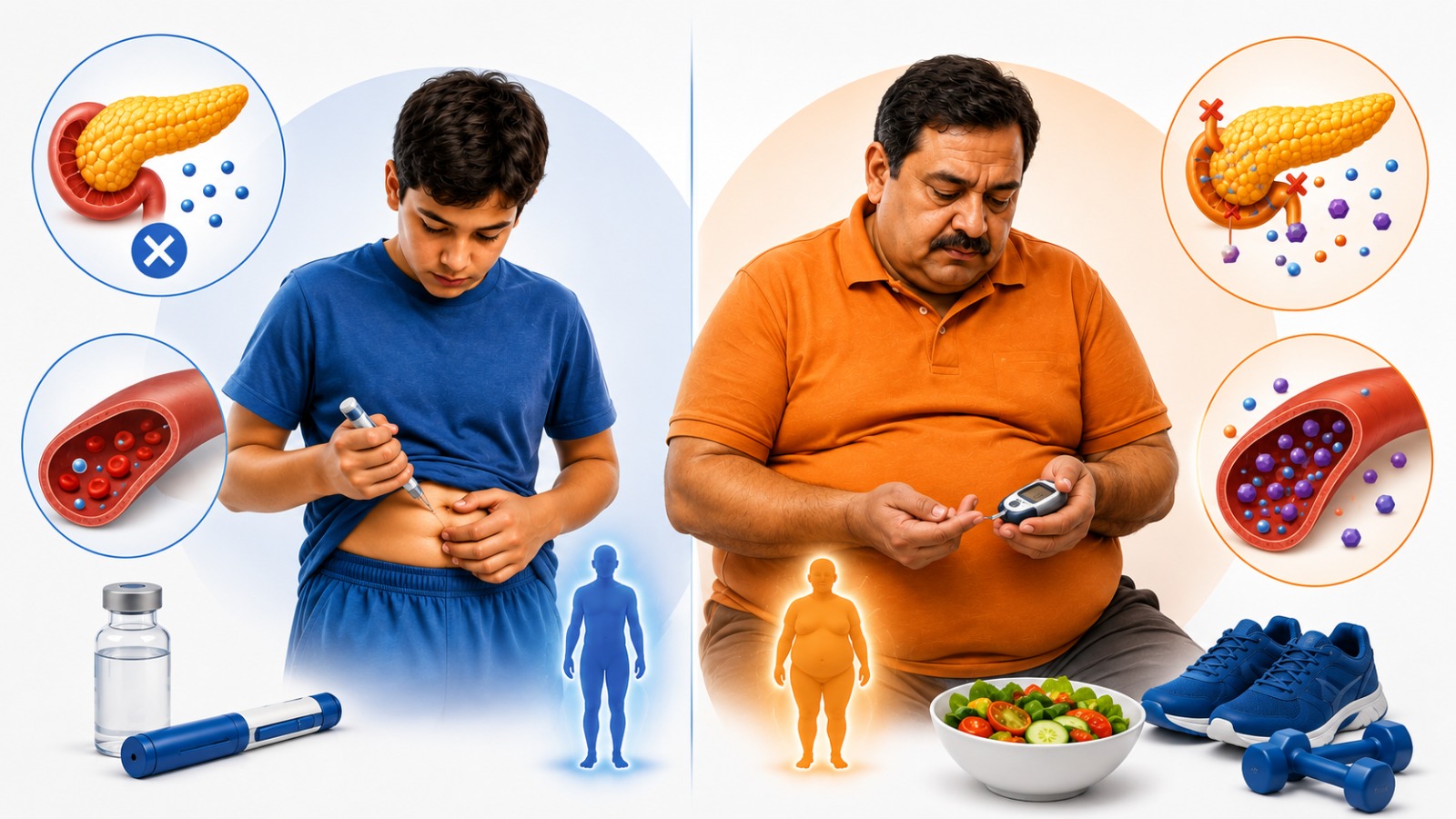
The primary cause of prediabetes is insulin resistance. In this condition, the body's cells do not respond properly to insulin, causing glucose to remain in the bloodstream instead of entering the cells efficiently. Over time, the pancreas works harder to produce more insulin, and blood sugar levels begin to rise.
Major Risk Factors
- Excess body weight, especially abdominal obesity
- Lack of regular physical activity
- Frequent intake of processed and refined carbohydrate-rich foods
- Family history of diabetes
- Previous gestational diabetes
- Polycystic Ovary Syndrome (PCOS)
- Poor sleep and chronic stress
- Long-term steroid medication use
For many Indians, sedentary work, irregular meal timing, refined carbohydrate-heavy diets, and central obesity are among the biggest contributors to prediabetes.
What Are the Symptoms?
Prediabetes usually causes no noticeable symptoms, making it easy to miss without routine blood testing. Many people discover they have prediabetes only during a health check-up or diabetes screening program.
Possible Warning Signs
- Persistent fatigue
- Low energy levels
- Increased hunger
- Excessive thirst
- Frequent urination, especially at night
- Blurred vision
- Weight gain around the abdomen
- Darkened skin around the neck or armpits (Acanthosis Nigricans)
- Slow-healing wounds
- Repeated skin or urinary infections
Although these symptoms are not specific to prediabetes, they should prompt blood sugar testing, particularly if you have one or more risk factors.
Who Should Get Tested?
Early screening is essential because prediabetes often develops silently.
You Should Consider Testing If You:
- Are overweight or obese
- Have a family history of diabetes
- Previously had gestational diabetes
- Have PCOS
- Have high blood pressure
- Have abnormal cholesterol levels
- Lead a sedentary lifestyle
Asian populations, including Indians, have a higher risk of developing insulin resistance and diabetes at lower body weights than many Western populations. Therefore, screening should not wait until symptoms appear.
Recommended Screening Tests
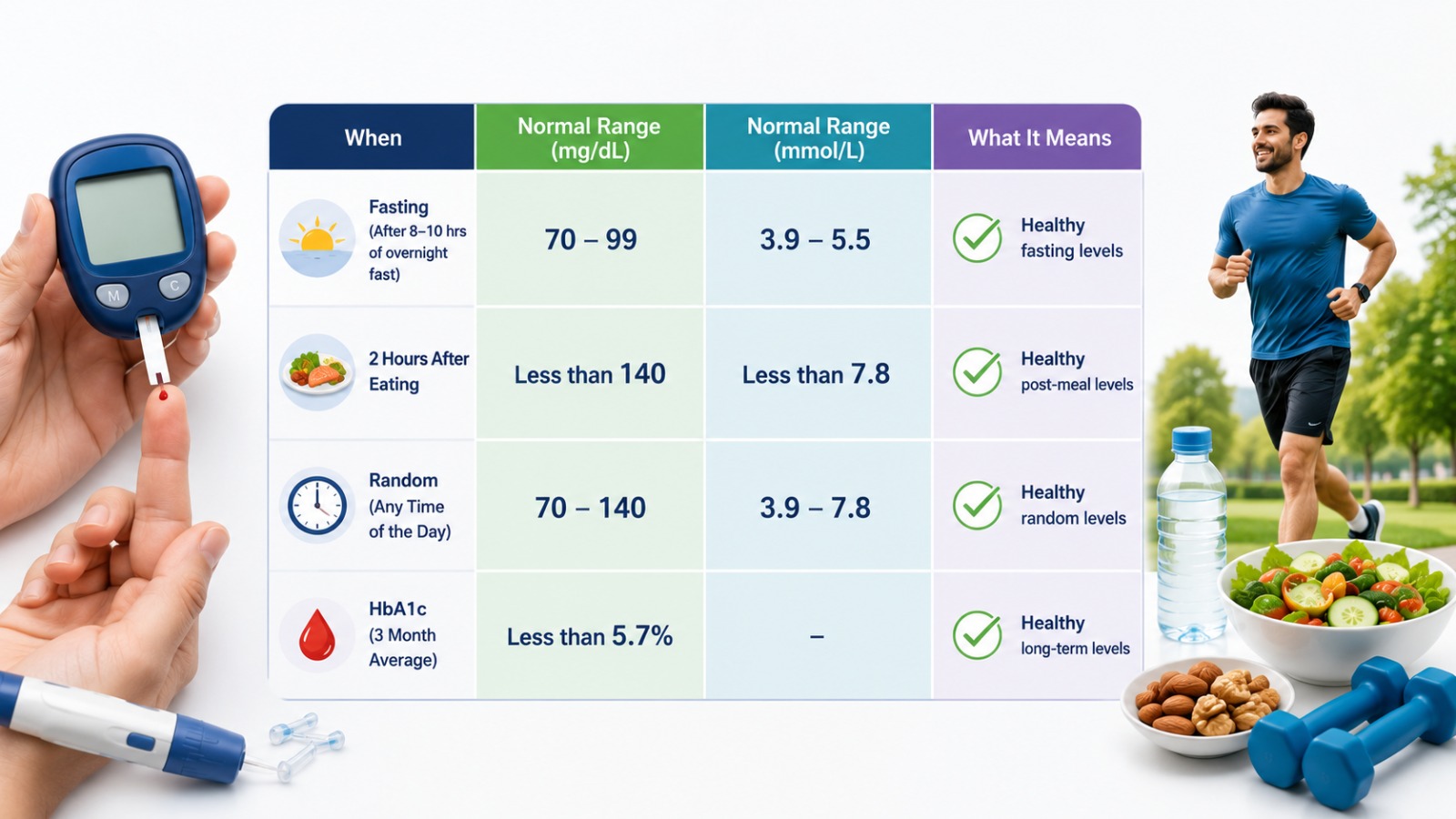
- Fasting Blood Sugar (FBS)
- HbA1c
- Oral Glucose Tolerance Test (OGTT)
These simple tests can detect prediabetes early, when lifestyle changes are most effective.
Can Prediabetes Be Reversed?
Yes. In many individuals, prediabetes can be reversed when detected early. Scientific evidence consistently shows that lifestyle modification is the most effective treatment.
Steps That Help Reverse Prediabetes
- Lose excess body weight if overweight
- Exercise for at least 150 minutes every week
- Reduce refined carbohydrates and sugary foods
- Eat more vegetables, pulses, legumes, whole grains, seeds, and nuts
- Improve sleep quality
- Manage stress effectively
- Quit smoking if applicable
Even a modest weight loss of approximately 5% to 7% of body weight can significantly reduce the risk of progressing to Type 2 Diabetes.
Healthy Eating for Indian Diets
Reversing prediabetes does not require expensive or foreign diets. Instead, focus on making healthier choices using traditional Indian foods.
Simple Dietary Changes
- Reduce portions of rice, roti, idli, dosa, poha, upma, and sweets
- Increase vegetable intake
- Include adequate protein with every meal
- Avoid sugary beverages and ultra-processed snacks
| Healthy Indian Plate | Recommended Portion |
|---|---|
| Non-starchy Vegetables | Half of the plate |
| Protein (Dal, Chana, Eggs, Fish, Paneer, Tofu) | One-quarter of the plate |
| Whole Grains or Millets | One-quarter of the plate in controlled portions |
This balanced approach helps reduce post-meal blood sugar spikes while fitting naturally into Indian eating habits.
When Should You See a Doctor?
If blood tests indicate prediabetes, do not wait until diabetes develops. Early medical guidance offers the greatest opportunity to reverse the condition.
Consult a Doctor If You Have:
- Prediabetes on blood tests
- Symptoms of high blood sugar
- Previous gestational diabetes
- PCOS
- Obesity or abdominal obesity
- A strong family history of diabetes
A diabetologist or physician can evaluate your metabolic health, identify additional risk factors, recommend personalized lifestyle modifications, and schedule appropriate follow-up testing.
Final Takeaway
Prediabetes is not a condition to ignore—it is an opportunity to take control of your future health. Early diagnosis, healthier eating, regular physical activity, weight management, quality sleep, and ongoing medical guidance can often reverse prediabetes and significantly reduce the risk of developing Type 2 Diabetes. Acting today can help protect your heart, kidneys, nerves, and overall well-being for years to come.