Type 1 vs Type 2 Diabetes: Key Differences Explained
Type 1 vs Type 2 Diabetes
Understanding the differences between Type 1 and Type 2 diabetes helps ensure accurate diagnosis, appropriate treatment, and better long-term health.
Diabetes is one disease, but not every person with diabetes has the same condition. The two most common forms—Type 1 Diabetes and Type 2 Diabetes—differ in their causes, age of onset, treatment approaches, and long-term management. Recognizing these differences is essential because an incorrect diagnosis can delay appropriate treatment and increase the risk of serious complications.
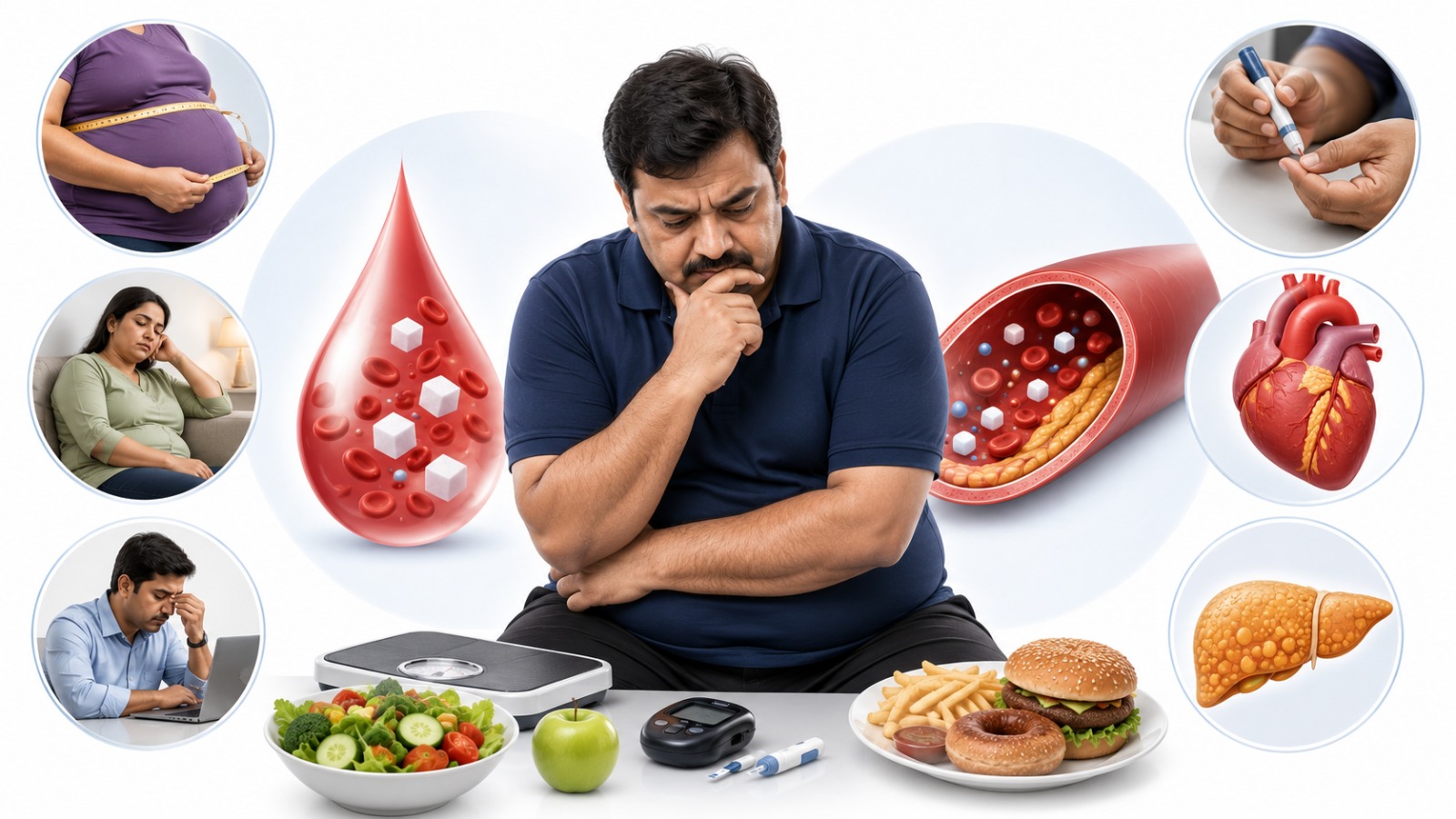
In India, where diabetes affects millions, it is important to understand that a lean child, adolescent, or young adult with sudden symptoms may have Type 1 Diabetes, whereas an adult with gradual blood sugar elevation, obesity, or a strong family history is more likely to have Type 2 Diabetes. However, age and body weight alone are not enough to determine the type of diabetes.
The treatment for Type 1 and Type 2 diabetes is very different. Early and accurate diagnosis allows doctors to choose the right medications, prevent complications, and improve long-term quality of life.
What Causes Type 1 and Type 2 Diabetes?
Type 1 Diabetes
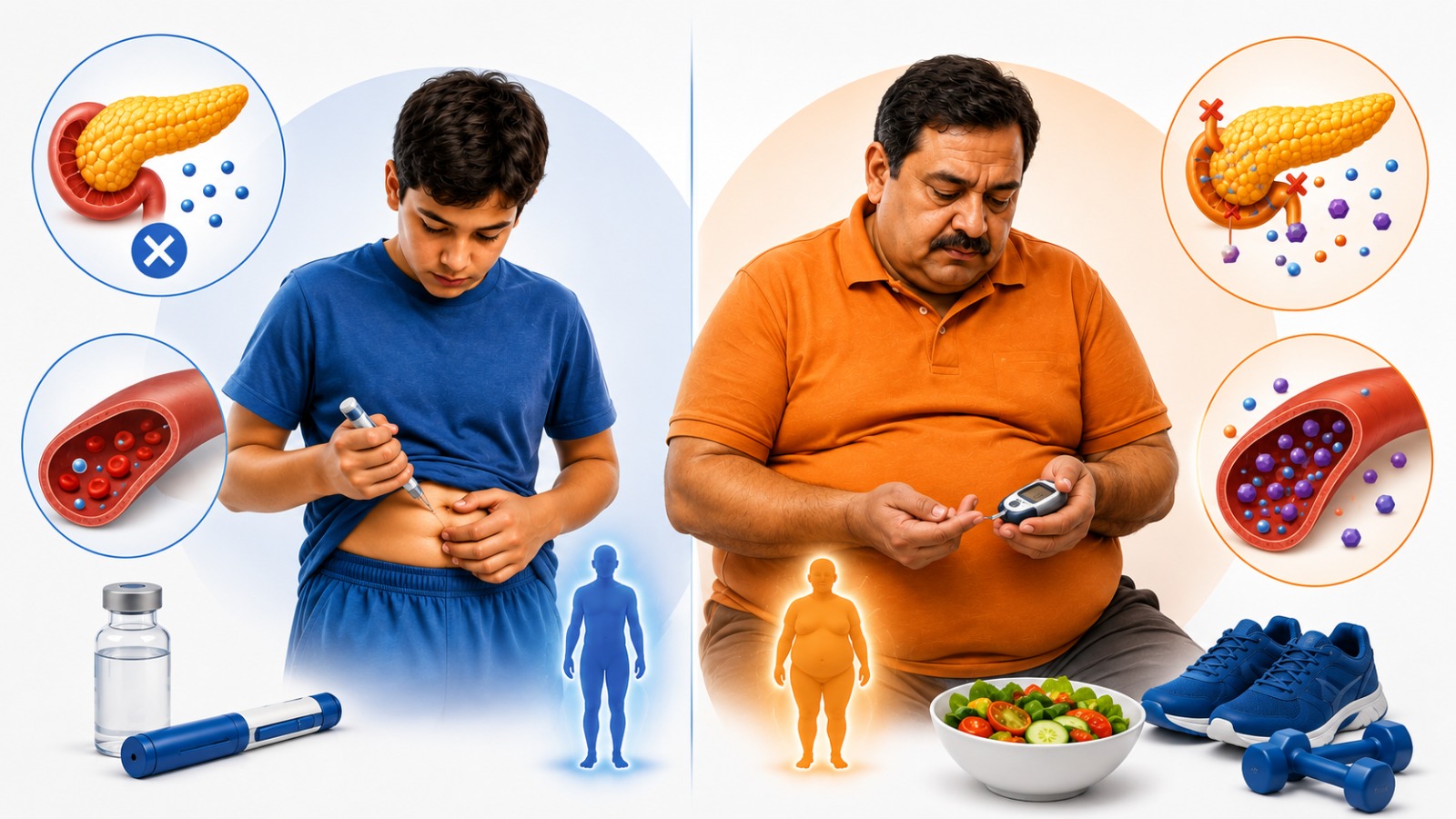
Type 1 Diabetes is an autoimmune disease. The body's immune system mistakenly attacks and destroys the insulin-producing beta cells in the pancreas. As a result, the pancreas produces little or no insulin, causing blood glucose levels to rise rapidly.
Type 2 Diabetes
Type 2 Diabetes develops differently. Initially, the pancreas continues to produce insulin, but the body's cells become resistant to its effects. This condition is known as insulin resistance. Over time, the pancreas gradually loses its ability to produce enough insulin, making blood sugar control increasingly difficult.
How Do They Present?
Type 1 Diabetes Symptoms
- Sudden onset over days or weeks
- Frequent urination
- Excessive thirst
- Rapid weight loss
- Extreme tiredness
- Vomiting in severe cases
- Very high blood sugar at diagnosis
Although commonly diagnosed during childhood, adolescence, or early adulthood, Type 1 Diabetes can occur at any age.
Type 2 Diabetes Symptoms
- Gradual onset over months or years
- Often no symptoms initially
- Increased thirst
- Frequent urination
- Persistent fatigue
- Blurred vision
- Slow-healing wounds
- Repeated skin or urinary infections
Because symptoms develop slowly, many people with Type 2 Diabetes remain undiagnosed until complications begin.
Treatment Differences
Treatment for Type 1 Diabetes
Since the body produces little or no insulin, insulin replacement is essential from the time of diagnosis.
- Insulin injections or insulin pump therapy
- Regular blood glucose monitoring
- Meal planning
- Education on preventing hypoglycemia
Oral diabetes medications alone cannot adequately treat Type 1 Diabetes.
Treatment for Type 2 Diabetes
Treatment usually begins with lifestyle modification and oral medications. Depending on disease progression, injectable medications or insulin may eventually become necessary.
- Healthy eating
- Regular physical activity
- Weight management
- Oral diabetes medications
- GLP-1 receptor agonists or other injectable therapies (when appropriate)
- Insulin therapy if required
Can Diabetes Be Prevented?
Type 1 Diabetes
Currently, there is no proven way to prevent Type 1 Diabetes. It is an autoimmune condition and is not caused by eating sugar, poor lifestyle, or lack of exercise.
Type 2 Diabetes
Many cases of Type 2 Diabetes can be delayed or prevented through healthy lifestyle choices, including:
- Maintaining a healthy body weight
- Regular exercise
- Balanced nutrition
- Adequate sleep
- Reducing excess abdominal fat
These preventive measures are especially important in India, where sedentary lifestyles and refined carbohydrate-rich diets contribute significantly to diabetes risk.
Why the Difference Matters
Confusing Type 1 Diabetes with Type 2 Diabetes can have serious consequences.
- A person with Type 1 Diabetes who receives only oral tablets instead of insulin may develop life-threatening complications.
- A person with Type 2 Diabetes does not always require insulin immediately, and unnecessary insulin use may create anxiety and treatment confusion.
Another important issue in India is the diagnosis of young adults. A slim young person with high blood sugar may have Type 1 Diabetes, Latent Autoimmune Diabetes in Adults (LADA), or another uncommon form of diabetes. Additional investigations such as C-peptide testing or diabetes autoantibody testing may be required for an accurate diagnosis.
Quick Comparison
| Feature | Type 1 Diabetes | Type 2 Diabetes |
|---|---|---|
| Cause | Autoimmune destruction of insulin-producing cells | Insulin resistance with gradual decline in insulin production |
| Typical Onset | Sudden | Gradual |
| Common Age | Children, adolescents, young adults (can occur at any age) | Usually adults, increasingly seen in younger individuals |
| Insulin Production | Little or none | Initially present but less effective |
| Initial Treatment | Insulin therapy | Lifestyle modification and oral medications |
| Can It Be Prevented? | No | Often preventable or delayable through healthy lifestyle |
A Simple Way to Remember
- Type 1 Diabetes: The body makes little or no insulin.
- Type 2 Diabetes: The body produces insulin, but it does not work effectively because of insulin resistance.
Final Takeaway
Both Type 1 and Type 2 Diabetes are serious medical conditions that require lifelong care. While their causes and treatments differ, timely diagnosis, individualized treatment, healthy lifestyle choices, and regular follow-up enable people with either condition to lead active, healthy, and productive lives.