Wheat Flatbread vs Rice for Diabetes: Which Is Better?
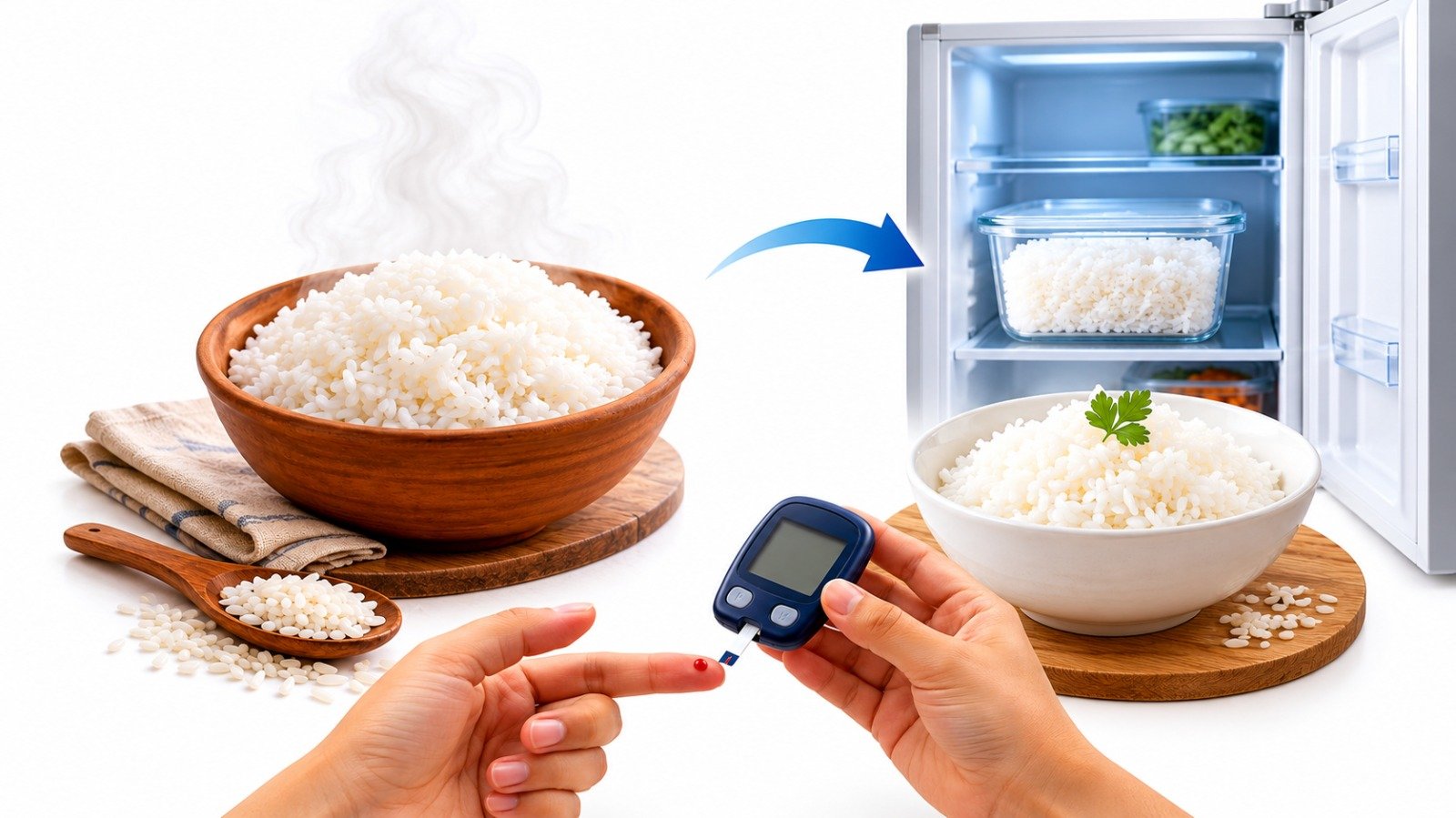
Every Indian meal has a staple at its centre — roti in the north, rice in the south, both everywhere else — and people with diabetes are often told to pick one as the "correct" choice. The truth is that neither wins automatically. Whole-wheat roti and rice differ in fibre, processing, portion size and how they are eaten, and those differences decide which one steadier YOUR glucose.
1. The Carbohydrate Count: They Are Closer Than You Think
- One medium whole-wheat roti (about 6 inches): roughly 15–20 g of carbohydrate
- One katori of cooked white rice (about 150 g): roughly 30–35 g of carbohydrate
- So two rotis and one katori of rice are not far apart — the real question is how many of each you actually eat
Portion perception is where roti wins psychologically: people count rotis easily ("two rotis") but underestimate rice scoops. Counting is easier when the unit is visible.
2. Glycemic Behaviour: Fibre and Protein Change the Winner
White rice sits high on the glycemic index (about 70–80). Whole-wheat atta roti lands lower for most people — the bran slows absorption, and roti is almost always eaten with dal or sabzi adding protein and fat to the same bite. Roti also delivers more fibre per calorie than polished rice. That said, maida-based "rotis" (breads, roomali, naan) behave like refined flour — they are not the comparison we are making.
The pairing rule applies to both: rice with sambar, curd and vegetables behaves very differently from plain curd rice; roti with a fried side behaves differently from roti with dal and salad.
3. What the Comparison Misses: Millets
Before choosing between wheat and rice, consider the third option Indian guidelines increasingly favour: jowar (sorghum), bajra (pearl millet) and ragi (finger millet) rotis carry more fibre and a lower glycemic response than wheat for most people, and traditional preparations (ragi mudde, jowar roti) have sustained South Indian and North Karnataka meals for generations. Mixing millet flours into wheat is a practical first step for families unwilling to switch entirely.
4. The Verdict, Condition by Condition
- Higher post-meal spikes on rice: shift to roti or millet roti at dinner, keep rice to one measured katori at lunch with extra vegetables
- Insulin or carbohydrate counting: either works — what matters is that the portion is countable and consistent; rotis are easier to standardise
- Kidney disease on a protein-restricted plan: wheat roti may need portion control too — follow your nephrologist's plan, not this article
- No complications, good control: both fit — variety with measured portions beats any single-staple dogma
Final Takeaway
Roti vs rice is not a battle with a universal winner. Count the carbs honestly (two rotis ≈ one-and-a-half katoris of rice), keep the protein-and-vegetable half of the plate untouched, consider millets as your upgrade, and let your own two-hour glucose reading settle the argument. The better staple is the one you measure, pair and walk after.
Sources and References
- American Diabetes Association — Standards of Care: carbohydrate quality and meal planning (diabetesjournals.org/care)
- ICMR–National Institute of Nutrition — Dietary Guidelines for Indians, whole grains and millets (icmr.gov.in)
- World Health Organization — Healthy diet fact sheet (who.int)
- Research Society for the Study of Diabetes in India (RSSDI) — Diet recommendations (rssdi.in)
Medical disclaimer: This article is for information and education only. Individual targets and restrictions must come from your doctor or dietitian.
Looking for a Diabetes Specialist Near You?
Consult verified diabetologists for HbA1c control, personalized diet management, insulin therapy, and complications screening. Direct clinic contacts and WhatsApp assistance — zero booking fees.