Are Lentils Good for Diabetes? Moong, Red, Pigeon Pea and Chickpea Compared
Dal is the protein backbone of the Indian plate — and for people with diabetes it is one of the few foods that behaves almost identically across every household variation. Lentils combine plant protein, meaningful fibre and slow-digesting starch, which makes them the rare carbohydrate-adjacent food that steadies a meal rather than spiking it. The differences between the common varieties are real, though, and worth knowing.
1. Why Lentils Help Blood Sugar
Three mechanisms work together: fibre slows carbohydrate absorption; protein triggers a smaller, steadier insulin response and increases fullness; and the resistant starch in cooked-and-cooled lentils feeds gut bacteria without a large glucose cost. Population research consistently links legume intake with lower post-meal glucose and better long-term control — the reason every major diabetes guideline includes pulses as a staple rather than a side.
2. The Common Four, Compared
- Moong (green gram): the easiest to digest, quick-cooking, low glycemic impact — the safest everyday dal and the best sprouted (sprouting lowers glycemic response further); ideal for breakfast chaat and light meals
- Chana (chickpeas, kabuli and bengal): the highest fibre and protein of the group, slowest digestion — excellent for satiety; bengal gram in chutneys and sundal, kabuli in curries and salads
- Red lentil (masoor): cooks soft and fast, moderate fibre — good everyday option, though it breaks down more than chana, making it slightly faster-digesting
- Pigeon pea (toor/arhar): the sambar dal — respectable fibre and protein, moderate impact; sambar's vegetable content makes the overall dish diabetes-friendly
On a practical scale: chana and moong (especially sprouted) lead, toor and masoor follow closely — all four belong in the rotation.
2. How to Get the Most From Them
- One katori of cooked dal per meal counts as part of your protein AND carbohydrate plan — it is both, which is what makes it efficient
- Keep the tadka honest: one teaspoon of oil/ghee per serving; heavy restaurant dal carries double the fat for the same nutrition
- Dal-rice pairing works: the classic combination is better balanced than rice alone — the dal slows the rice
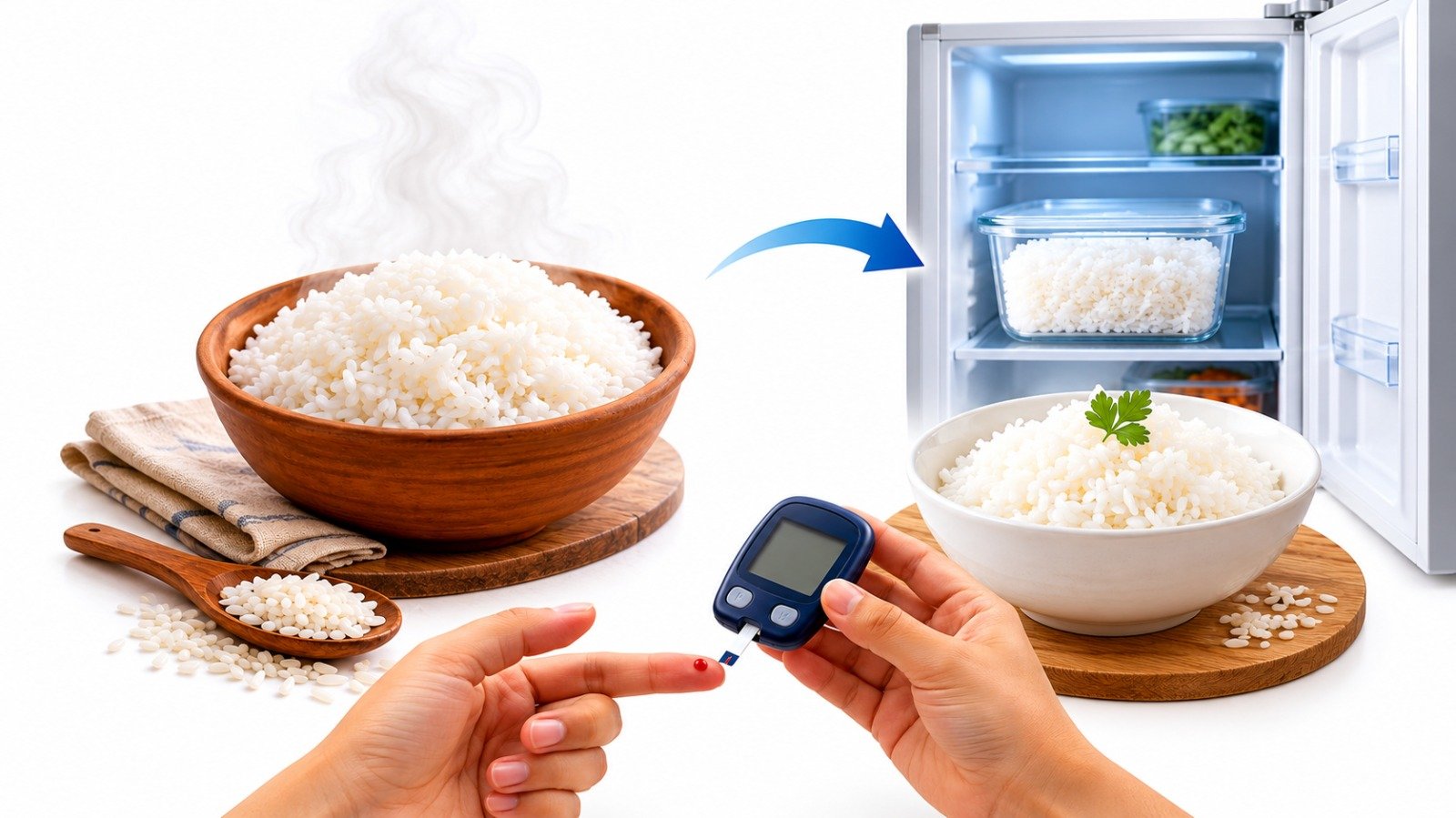
- Cool and reuse: cooked dal kept overnight and reheated gains resistant starch — the same principle as cooled rice
- Sprouted moong and chana chaat makes an outstanding low-glycemic evening snack with lemon, onion and chaat masala
4. For Specific Conditions
In chronic kidney disease, lentils' protein content requires portion control under your nephrologist's plan — they are not banned, but counted. For people with gout, modern evidence supports plant proteins like lentils as safe in ordinary amounts. Digestive sensitivity (gas) eases with soaking, thorough cooking and smaller first portions.
Final Takeaway
Moong and chana lead the lentil field for diabetes, with masoor and toor close behind — all four are genuine allies: protein, fibre and slow carbohydrate in one katori. Eat dal daily, keep the tempering light, pair it with your staples rather than separate from them, and use sprouted versions as your best evening snack.
Sources and References
- American Diabetes Association — Standards of Care: plant protein and meal planning (diabetesjournals.org/care)
- ICMR–National Institute of Nutrition — Dietary Guidelines for Indians, pulses guidance (icmr.gov.in)
- World Health Organization — Healthy diet fact sheet, legumes (who.int)
- Research Society for the Study of Diabetes in India (RSSDI) — Diet recommendations (rssdi.in)
Medical disclaimer: This article is for information and education only. Kidney-disease patients should follow their nephrologist's protein plan.
Looking for a Diabetes Specialist Near You?
Consult verified diabetologists for HbA1c control, personalized diet management, insulin therapy, and complications screening. Direct clinic contacts and WhatsApp assistance — zero booking fees.