HbA1c Test: What the Numbers Mean and How Often to Test

HbA1c Test: What the Numbers Mean & How Often to Test
Understand your HbA1c results, learn what the numbers mean, and know how often you should test to keep diabetes under control.
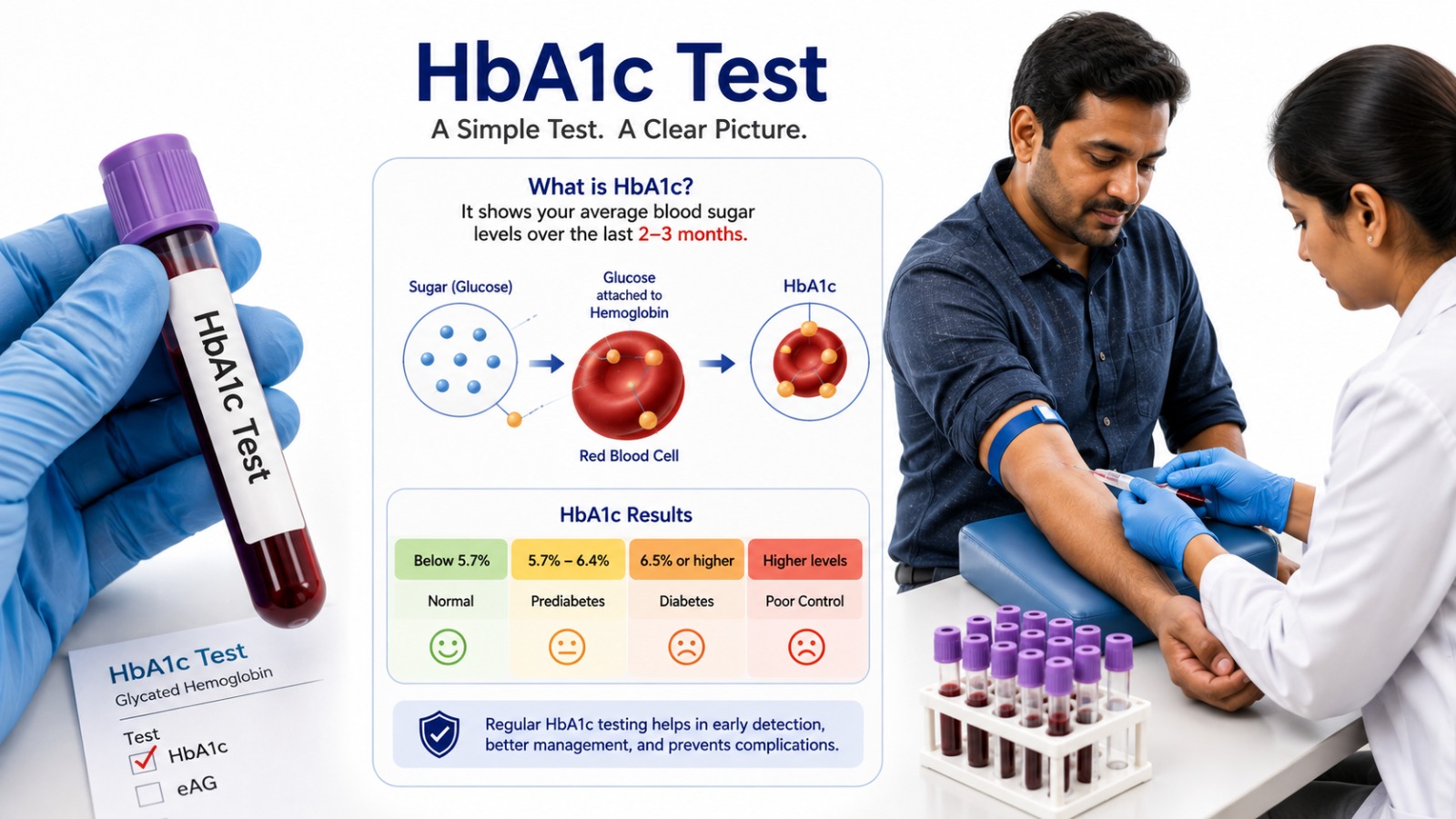
The HbA1c (Glycated Hemoglobin) test is one of the most valuable investigations in diabetes care. Unlike a fasting blood sugar or random glucose test, HbA1c reflects your average blood sugar over the previous 2–3 months. It works by measuring how much glucose has attached to hemoglobin inside your red blood cells during their lifespan.
For people in India, where diabetes often develops silently, HbA1c provides a clearer picture of long-term glucose control. Many individuals may feel perfectly healthy despite rising blood sugar levels, making HbA1c an essential tool for early diagnosis and ongoing diabetes management.
HbA1c helps diagnose prediabetes and diabetes, monitors the effectiveness of treatment, evaluates lifestyle changes, and predicts the risk of long-term complications affecting the eyes, kidneys, nerves, heart, and blood vessels.
Understanding Your HbA1c Results
Your HbA1c percentage represents your average blood sugar over several months rather than a single day's reading.
| HbA1c Result | Meaning |
|---|---|
| Below 5.7% | Normal blood sugar |
| 5.7% – 6.4% | Prediabetes (Higher risk of developing Type 2 Diabetes) |
| 6.5% or Higher | Diabetes (Confirmation may be required if symptoms are absent) |
Think of your HbA1c as your diabetes "report card." A higher percentage indicates that your blood sugar has remained elevated for weeks or months—not just during one isolated test.
HbA1c and Average Blood Sugar
Many laboratory reports also provide an Estimated Average Glucose (eAG) alongside your HbA1c result. Although the exact conversion varies slightly between laboratories, the overall message remains simple:
- Higher HbA1c = Higher average blood sugar
- Lower HbA1c = Better long-term glucose control
For many adults living with diabetes, medical guidelines commonly recommend maintaining an HbA1c below 7%, provided it can be achieved safely. However, treatment goals should always be individualized.
Remember
A healthy young adult may benefit from a stricter HbA1c target, whereas an older individual with heart disease, kidney disease, or frequent episodes of low blood sugar may require a less aggressive target. Your doctor will determine the most appropriate goal based on your age, medical conditions, and overall health.
How Often Should You Have an HbA1c Test?
The frequency of HbA1c testing depends on whether you have diabetes, prediabetes, or normal blood sugar.
| Condition | Recommended Testing Frequency |
|---|---|
| Newly Diagnosed Diabetes | Every 3 months |
| Poorly Controlled Diabetes | Every 3 months |
| Stable & Well-Controlled Diabetes | Every 6 months |
| Prediabetes | Every 6–12 months depending on risk factors |
| People Without Diabetes | Periodic screening if high-risk or as advised by your doctor |
Testing every three months allows enough time to assess whether changes in medication, diet, exercise, or weight management are effectively improving blood sugar control.
When Can HbA1c Be Misleading?
Although HbA1c is highly reliable for most people, certain medical conditions can affect its accuracy because they alter the lifespan or quality of red blood cells.
Conditions That May Affect HbA1c
- Anemia
- Hemoglobin disorders (such as thalassemia)
- Recent blood loss
- Recent blood transfusion
- Certain blood disorders
If your HbA1c result does not match your home glucose readings or your symptoms, your doctor may recommend additional blood sugar tests before making treatment changes.
What Should You Do If Your HbA1c Is High?
If Your HbA1c Indicates Prediabetes
- Lose excess weight if necessary
- Exercise regularly
- Improve sleep quality
- Reduce refined carbohydrates and sugary foods
- Increase vegetables, fiber, and protein intake
Early lifestyle intervention can often delay or even prevent the development of Type 2 Diabetes.
If Your HbA1c Indicates Diabetes
A high HbA1c should not cause panic. Instead, it signals the need for a structured treatment plan.
- Consult a diabetologist or physician
- Begin individualized treatment if necessary
- Follow a healthy eating plan
- Exercise regularly
- Monitor blood sugar consistently
- Repeat HbA1c testing as advised
Proper treatment and regular follow-up can significantly reduce the risk of diabetes-related complications.
Benefits of Regular HbA1c Testing
- Detects diabetes and prediabetes early
- Measures long-term glucose control
- Evaluates treatment effectiveness
- Helps prevent complications
- Supports better medication decisions
- Motivates healthy lifestyle changes
Final Takeaway
HbA1c is one of the most important tests in diabetes care because it reflects your average blood sugar over the past two to three months rather than a single reading. Most people with diabetes should have the test every 3–6 months, while individuals with prediabetes generally benefit from testing every 6–12 months. Regular monitoring, healthy lifestyle habits, and timely medical care are the keys to achieving better blood sugar control and preventing long-term complications.