Fasting Sugar 100, 110, 126 or 140: What Does It Mean?
A fasting glucose report rarely comes with an explanation — just a number and a lab range. Numbers like100,110,126 or140 sit in the narrow band where people are most anxious: too high to ignore, sometimes just short of the diagnostic line. This is what each of those readings actually means under the criteria used worldwide, and what to do next.
1. The Thresholds
- Below100 mg/dL: normal fasting glucose
- 100 to125 mg/dL: impaired fasting glucose — prediabetes range
- 126 mg/dL or above (on two occasions): diabetes range — confirmed by a second test or alongside classic symptoms
One high reading never diagnoses anything: acute illness, a broken night's sleep, steroids, a festival-week diet, simple dehydration and even laboratory variation can lift a single result by10–20 points. That is exactly why the diagnostic standard demands repetition.
2. Reading the Specific Numbers
- Fasting100: inside normal — but at the very top edge, where a year or two of drift becomes prediabetes. The right response is lifestyle attention and retesting in a year, not panic
- Fasting110: clearly prediabetes range — the most actionable number on this list. Research shows structured diet, activity and weight loss can return this to normal; ignored, roughly half of people with prediabetes progress within a decade
- Fasting126: the diagnostic line. Repeat the test (or do an HbA1c) promptly — do not wait for symptoms; if confirmed, treatment should begin the same month
- Fasting140: well into the diabetes range on one test — repeat to confirm, but assume the conversation with a physician is happening now, not later
3. The Indian Angle: The Same Number, Different Risk
Asian Indians develop beta-cell dysfunction earlier and at lower body weights than Western populations, and Indian studies show significant diabetes prevalence in the prediabetes band itself. Labs across India use the same mg/dL thresholds (some also report mmol/mol for HbA1c: normal below42, prediabetes42–47, diabetes48+). If your reading sits at110–125, waiting for the number to "settle on its own" is the riskiest available strategy.
4. What To Do, Step by Step
- 100 or below: retest annually with your regular health check
- 100–125: confirm with a repeat fasting test and an HbA1c within2–4 weeks; start a structured plan — plate changes, a daily walk, weight if applicable — and recheck at3 months
- 126+ (or symptomatic at any number): same-week medical consultation with both fasting and HbA1c results in hand
- Any reading while pregnant: follow gestational screening protocol immediately — pregnancy thresholds are stricter
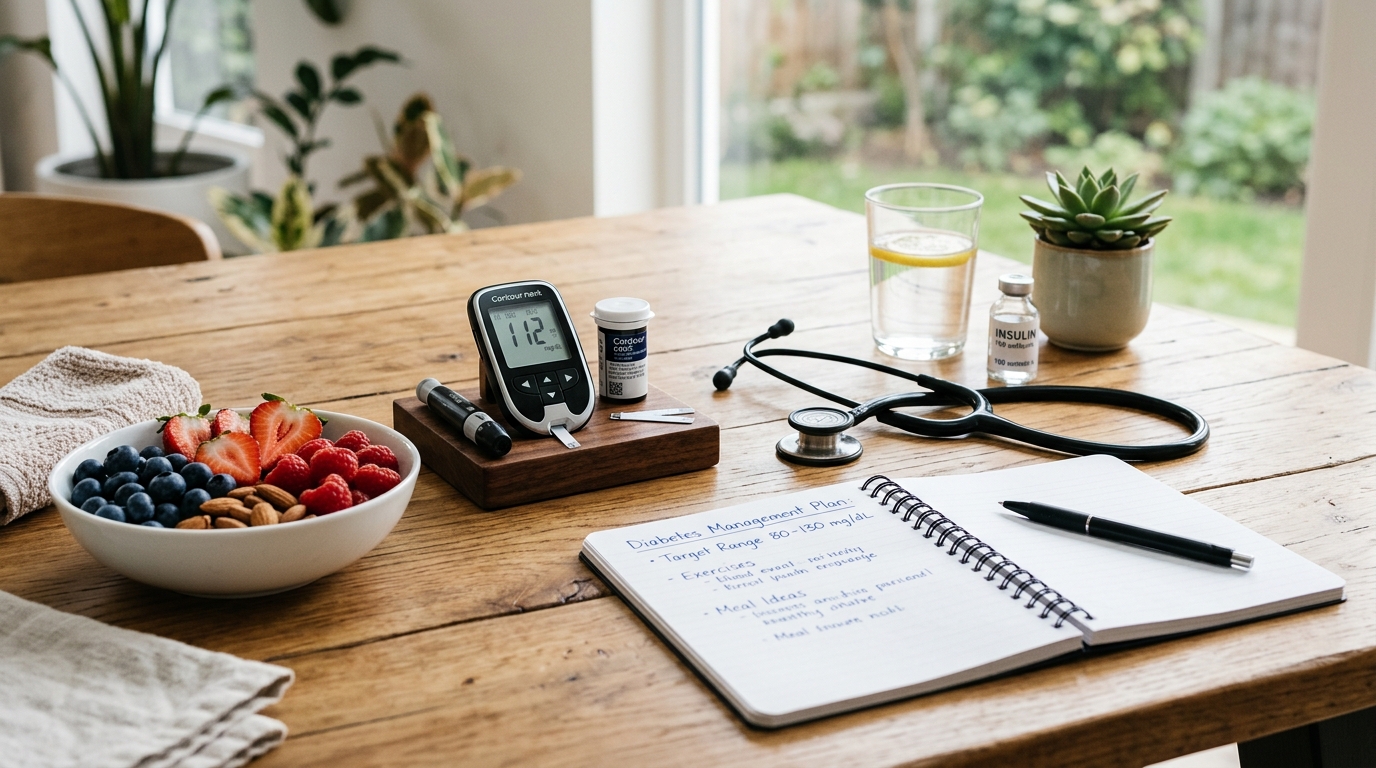
- Home meters read capillary blood (often running5–10% different from lab venous values) — use lab numbers for diagnosis, home numbers for trends
Final Takeaway
Below100 is normal,100–125 is prediabetes, and126+ confirmed twice is diabetes — the scale is simple even though the decisions feel heavy. A100 deserves attention, a110 deserves action, and a126 or140 deserves a doctor this week. Numbers only help when something changes after them.
Sources and References
- American Diabetes Association — Standards of Care: diagnostic criteria (diabetesjournals.org/care)
- World Health Organization — Diabetes fact sheet, diagnostic thresholds (who.int)
- Research Society for the Study of Diabetes in India (RSSDI) — Screening recommendations (rssdi.in)
- ICMR–National Institute of Nutrition — Indian population guidance (icmr.gov.in)
Medical disclaimer: This article is for information and education only. Diagnosis requires a qualified doctor interpreting your tests in context.
Looking for a Diabetes Specialist Near You?
Consult verified diabetologists for HbA1c control, personalized diet management, insulin therapy, and complications screening. Direct clinic contacts and WhatsApp assistance — zero booking fees.