Can Diabetes Be Reversed? What Indian Doctors Say
No headline sells faster in Indian health media than "diabetes reversed". It raises real hope — and real confusion. Some people genuinely do stop needing diabetes medicines with normal blood sugars for years; others read the same headline, reduce their tablets, and land in a hospital. The difference between those outcomes is understanding exactly what reversal means, who it applies to, and what Indian doctors actually recommend.
1. What "Reversal" Properly Means
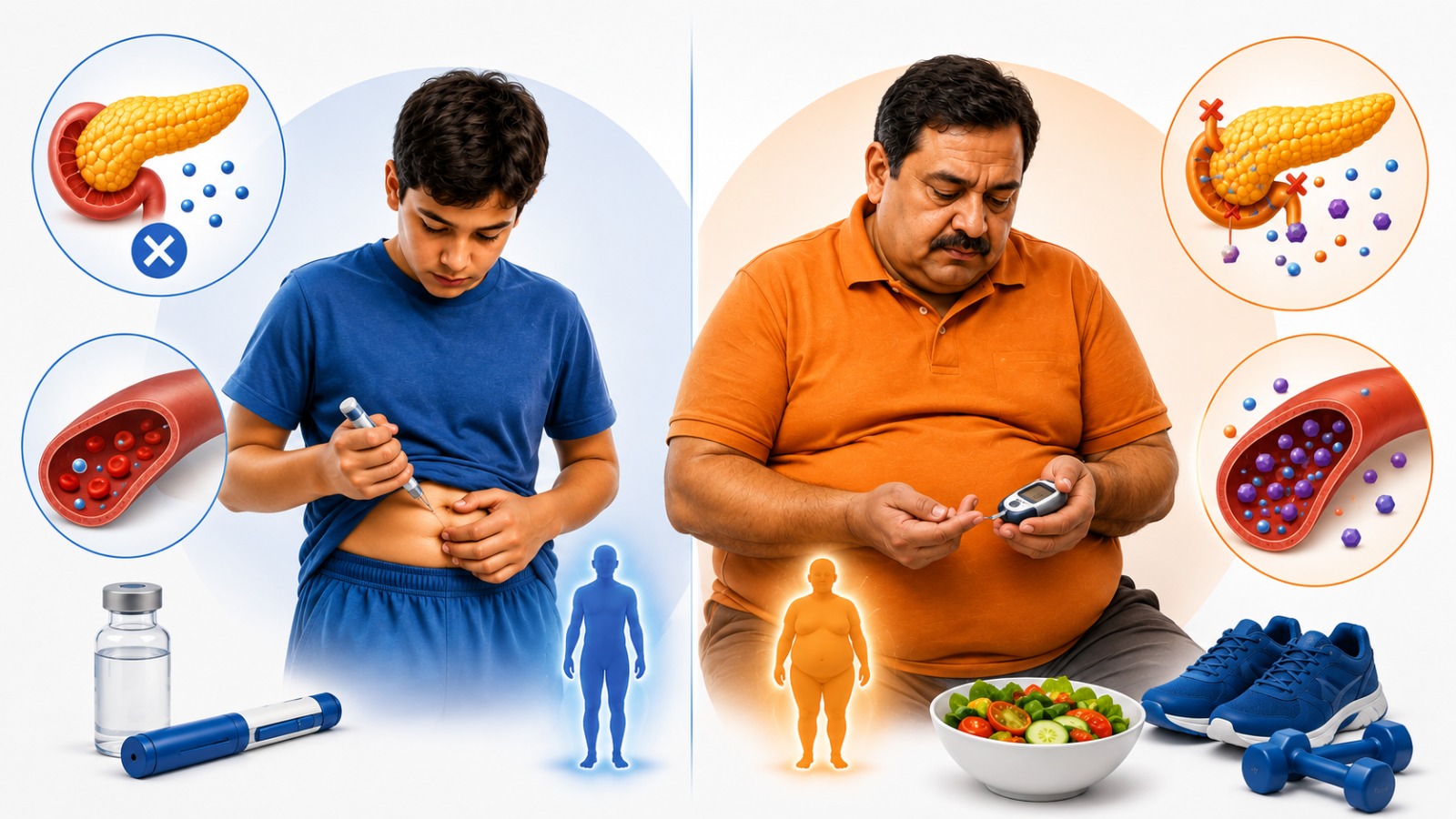
Diabetes researchers increasingly use the word remission instead: normal HbA1c (below6.5%) for at least three months without glucose-lowering medicines. It is a precise, testable state — not a cure. The underlying tendency toward high sugar remains, which is why relapse rates are real and why annual monitoring continues forever after "reversal". Type1 diabetes, being autoimmune, is NOT reversible with lifestyle — that boundary matters because the claim is sometimes made for it too.
2. Who Can Realistically Reach It
- People with type2 diabetes of relatively recent duration — the strongest evidence exists for those diagnosed within the first few years
- Those who achieve substantial weight loss — the landmark trial evidence shows major sustained weight loss (roughly10–15% of body weight) puts a large share of type2 patients into remission; Indian programs report the same direction with lower absolute weights because Indian diabetes often starts at lower BMI
- Post-bariatric surgery patients — remission rates are high, but surgery has its own lifelong requirements and risks
- People whose beta-cell function still has reserve — often invisible to the patient, which is why duration of diabetes and insulin use at diagnosis matter
3. What Indian Doctors Actually Say
The consistent specialist position across RSSDI-affiliated practice: remission is an achievable GOAL for some patients through structured lifestyle change — medically supervised calorie reduction, resistance plus aerobic activity, dietary quality (not just quantity), and sometimes short-term insulin to rest the pancreas at diagnosis — but it is never promised in advance, never maintained without ongoing habits, and never a reason to stop monitoring. Any medicine reduction happens under a doctor's supervision with test results, never by patient decision.
4. The Evidence-Backed Path (Without Hype)
- Structured medical nutrition therapy with a dietitian — calorie-appropriate, protein-sufficient, Indian-staple-based plans, not juice cleanses
- Resistance training + daily walking — muscle is where glucose disappears; both components matter
- Weight tracking weekly — the single most predictive behavioural number
- Frequent monitoring during any medicine change — including hypoglycaemia awareness if on insulin or sulfonylureas
- Annual re-screening forever — because remission can end
Beware the marketplace: "diabetes reversal programs" in India range from excellent medically-supervised clinics to unqualified vendors selling packages with herbal products. Ask three questions — which doctor supervises, what HbA1c evidence exists before and after, and what happens to medicines — and evaluate accordingly.
5. What About Prediabetes?
The clearer victory: prediabetes IS regularly reversed outright, with lifestyle change cutting progression to diabetes by more than half in major trials. If your sugar sits in the100–125 fasting band, this is the moment where "reversal" is most honest and most achievable.
Final Takeaway
Type2 diabetes can reach remission — normal sugars without medicines — for the right candidates through sustained weight loss and structured change, and prediabetes reversal is even more achievable. But it is remission, not cure: monitored, supervised, and conditional on habits that continue. Ask your doctor whether it is realistic in your case, and never stop medicines on the strength of a headline.
Sources and References
- American Diabetes Association — Standards of Care: remission and weight management (diabetesjournals.org/care)
- World Health Organization — Diabetes fact sheet (who.int)
- Research Society for the Study of Diabetes in India (RSSDI) — Clinical recommendations (rssdi.in)
- ICMR–National Institute of Nutrition — Dietary Guidelines for Indians (icmr.gov.in)
Medical disclaimer: This article is for information and education only. Never stop or reduce diabetes medicines without your treating doctor's decision and testing.
Looking for a Diabetes Specialist Near You?
Consult verified diabetologists for HbA1c control, personalized diet management, insulin therapy, and complications screening. Direct clinic contacts and WhatsApp assistance — zero booking fees.