Spiced Rice Dishes and Diabetes: How Often Can You Eat Them?
Biryani occupies a unique place in Indian food culture — the dish for celebrations, guests and Sunday indulgence. For people with diabetes it also occupies one of the most confusing positions: rice cooked with meat, ghee, fried onions and spice, served in portions that can quietly contain an entire day's carbohydrate allowance. Avoiding it entirely is unsustainable for most Indian families. Managing it properly is entirely possible.
1. Understanding What Is on the Plate
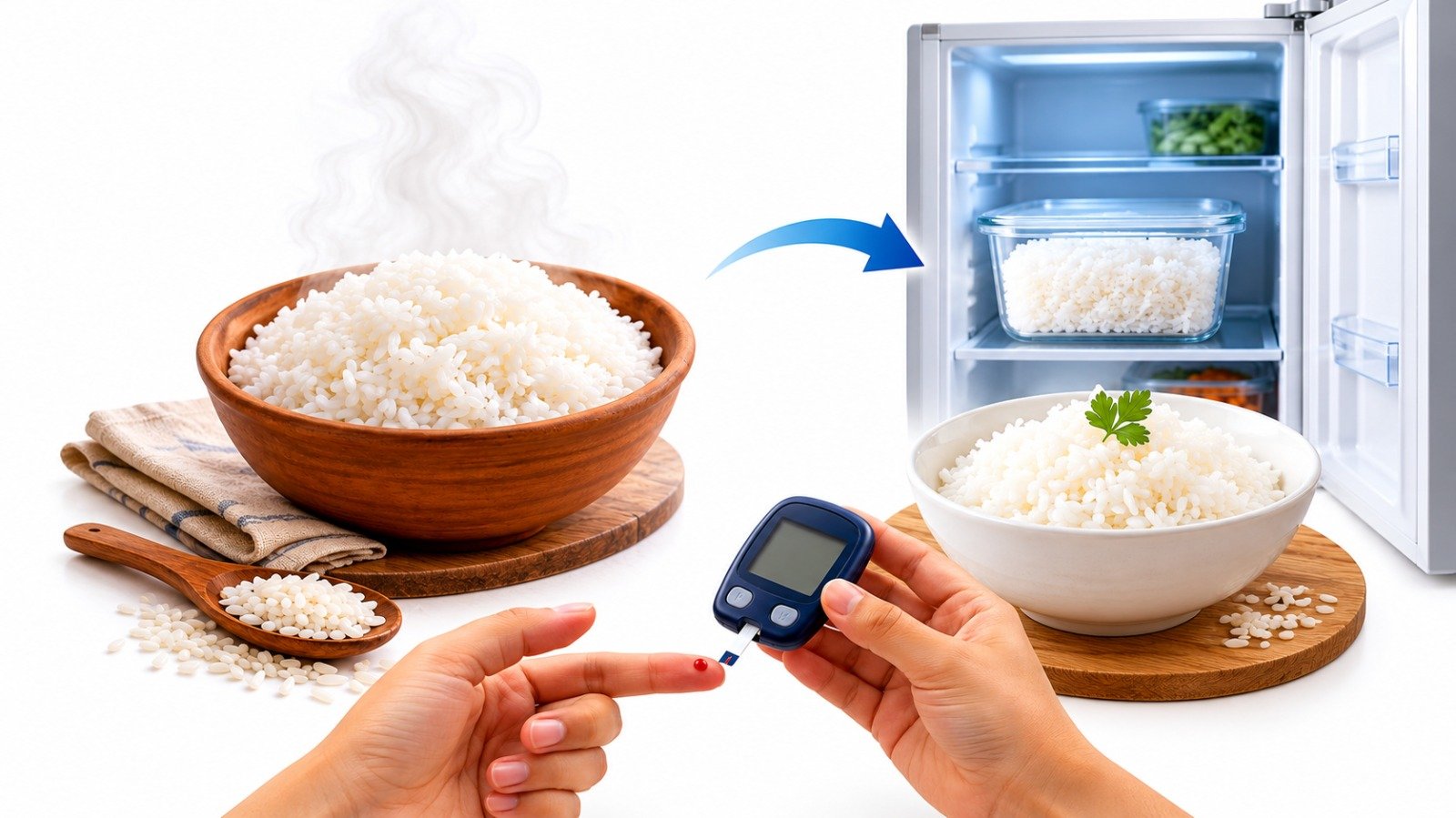
- Rice: biryani rice is typically long-grain basmati, often partially cooked before dum — the portion, not the variety, drives the impact. One normal restaurant serving (roughly250–300 g cooked) can carry 60–90 g of carbohydrate
- Fried onions and ghee: the aromatic layer that defines biryani is also where much of the fat sits — delaying and extending the glucose rise
- Meat or vegetables: the protein component works in your favour — chicken or mutton biryani blunts the response more than a plain vegetable version with fewer protein pieces
- Raita: curd-based raita adds protein and slows absorption — genuinely useful, not just decorative
2. The Portion Rule
- One serving = about one katori (a single small plate), counted as BOTH your rice and your fat portion for that meal
- No second helping of rice with the excuse that the meat was "only a piece"
- If the biryani is the meal, the side should be salad and raita — not additional roti
3. How Often Is Realistic
For stable type2 diabetes: a well-portioned biryani once a week fits most dietitian plans, especially if the rest of the week's staples are measured. More frequent than that, with generous portions, will show up in your two-hour readings and eventually in HbA1c. People on insulin need to count the carbohydrate properly for this meal — biryani's variability makes it one of the hardest dishes to dose for, so consistency of portion matters more than usual.
4. Improving the Odds When Cooking at Home
- Hand-pounded or brown basmati versions slow the response somewhat
- More meat/legume, less rice in the pot — a chicken-heavy biryani is a different meal from a rice-heavy one
- Less ghee in the dum layer, fried onions as garnish rather than a layer
- Serve with a large salad and raita first — eating vegetables and curd before the biryani reduces how much you take overall
5. Related Dishes, Same Rules
Pulao, khichdi (higher carbohydrate but lighter), ghee rice and fried rice follow the same logic: measure the rice, add protein, keep the accompaniment vegetable-forward. Khichdi deserves a note — it is easier to digest and often recommended during illness, but its soft, rice-heavy form digests fast; adding dal and vegetables raises its protein and lowers its effective impact.
Final Takeaway
Biryani with diabetes is a portion decision, not a prohibition: one katori, protein-forward, raita and salad alongside, an occasional frequency, and a walk afterwards. Cook it heavier on meat and lighter on ghee at home, and let your two-hour reading set the real frequency limit.
Sources and References
- American Diabetes Association — Standards of Care: carbohydrate-focused meal planning (diabetesjournals.org/care)
- ICMR–National Institute of Nutrition — Dietary Guidelines for Indians (icmr.gov.in)
- World Health Organization — Healthy diet fact sheet (who.int)
- Research Society for the Study of Diabetes in India (RSSDI) — Diet recommendations (rssdi.in)
Medical disclaimer: This article is for information and education only. Insulin users should count carbohydrates with their care team's guidance.
Looking for a Diabetes Specialist Near You?
Consult verified diabetologists for HbA1c control, personalized diet management, insulin therapy, and complications screening. Direct clinic contacts and WhatsApp assistance — zero booking fees.